
TOP CEOs ARE REWRITING THE FINANCIAL DISTRIBUTION OF PLAYBOOKS
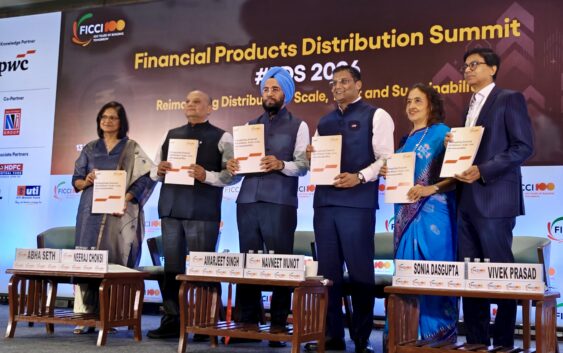
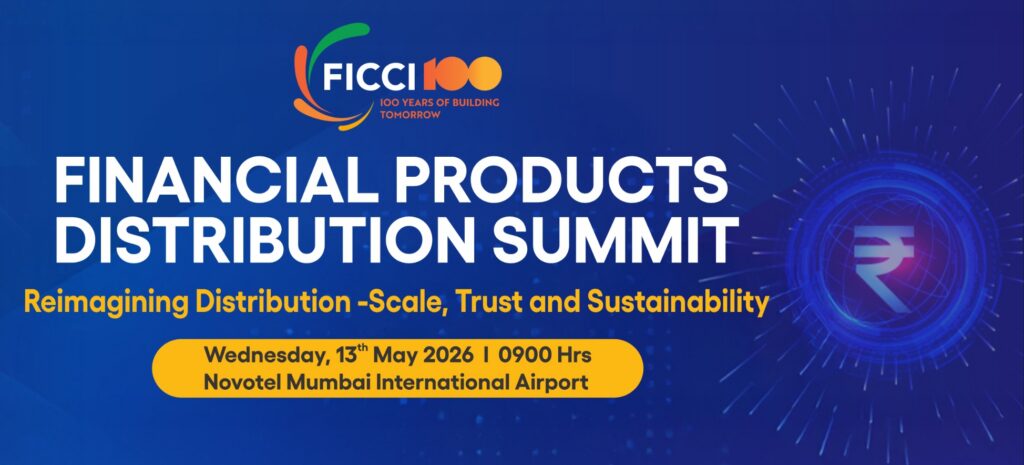
On May 13, 2026, the FICCI Financial Products Distribution Summit was held at Novotel Mumbai International Airport, bringing together key players to discuss how financial products are being distributed in a changing market. The event zeroed in on three big drivers: new regulations, tech innovation, and fresh distribution strategies — all shaping the future of financial services.

At the FICCI Financial Products Distribution Summit 2026 in Mumbai, Ms Sonia Dasgupta highlighted India’s historic inflection point in wealth management, noting a six-fold expansion in mutual fund AUM to over ₹81 trillion and a domestic institutional investor surge. She emphasized that the financial sector must now transition from rapid user acquisition and access to cultivating long-term investor trust, product suitability, and disciplined investing behavior.
“The next phase of growth cannot be driven by access and onboarding alone. It must be built on trust, investor confidence, suitability and long-term financial outcomes,” she said, calling for the conversation to shift decisively “from penetration to persistence, from simply acquiring investors to enabling disciplined long-term investing behaviour.”
Reimagining Financial Distribution: Scale, Trust and Sustainability — dives into how the industry’s shifting from just pushing products to building long-term trust and scalable, responsible models. PwC and FICCI framed it around three big ideas: how digital platforms are expanding reach (scale), why transparency and ethics are becoming competitive advantages (trust), and how ESG-aware distribution can actually drive growth (sustainability). It wasn’t just theory — they included real examples from insurers, wealth platforms, and fintechs that are already making this work.
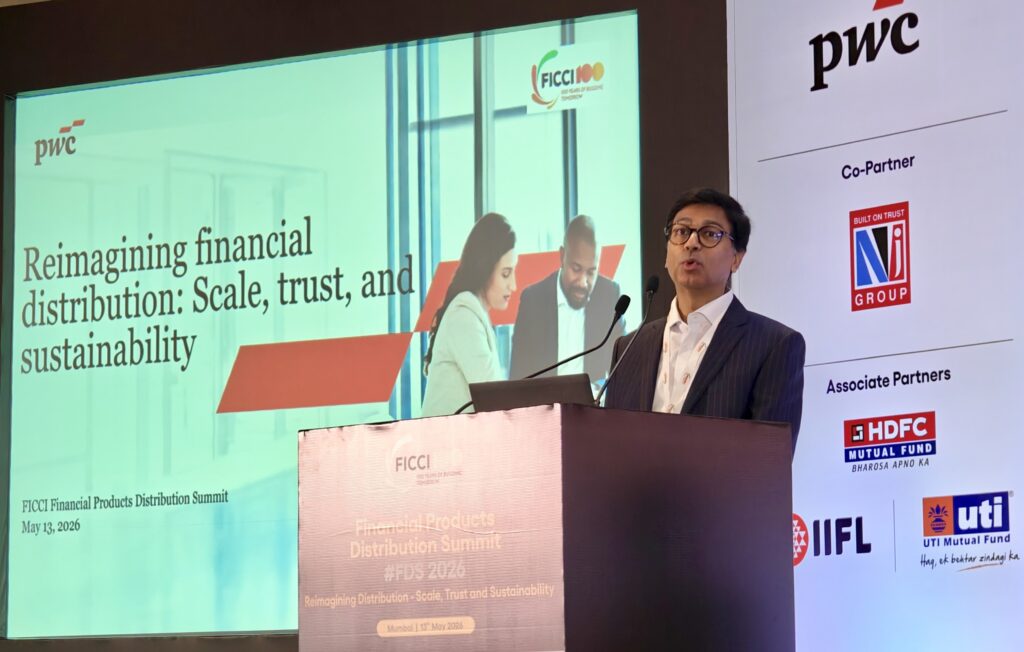
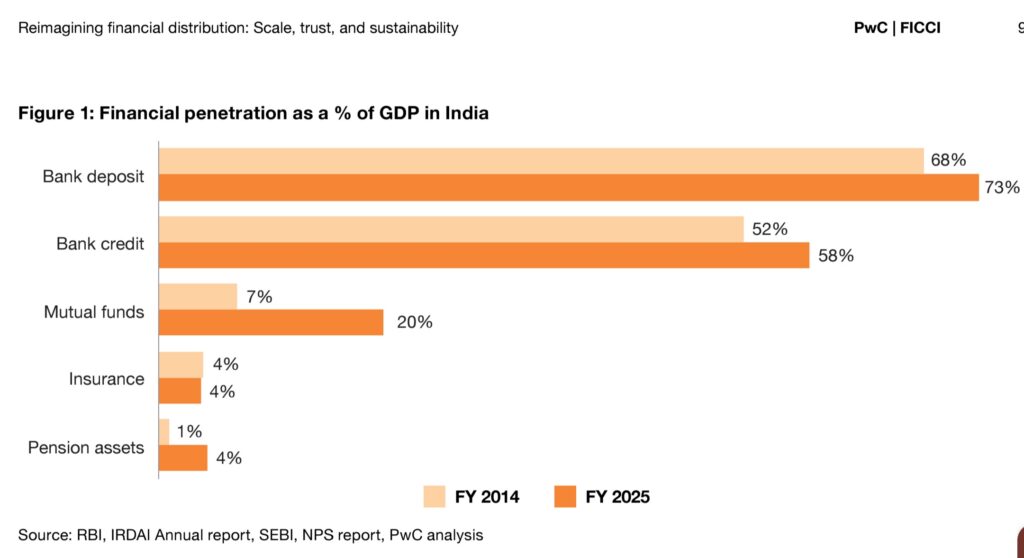
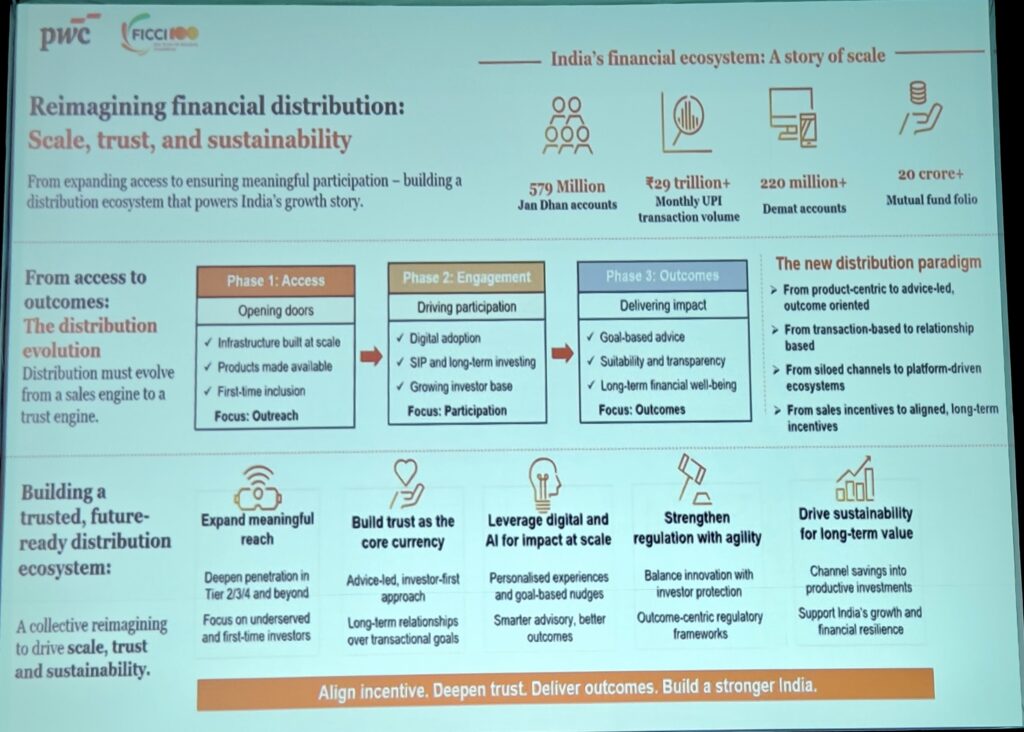
Mr. Rounak Shah emphasized that India’s financial sector is transitioning from access-led financial inclusion to outcome-oriented, advice-led distribution while balancing rapid digital scale with human trust.
Key Highlights & Core Findings from the PwC–FICCI Knowledge Paper
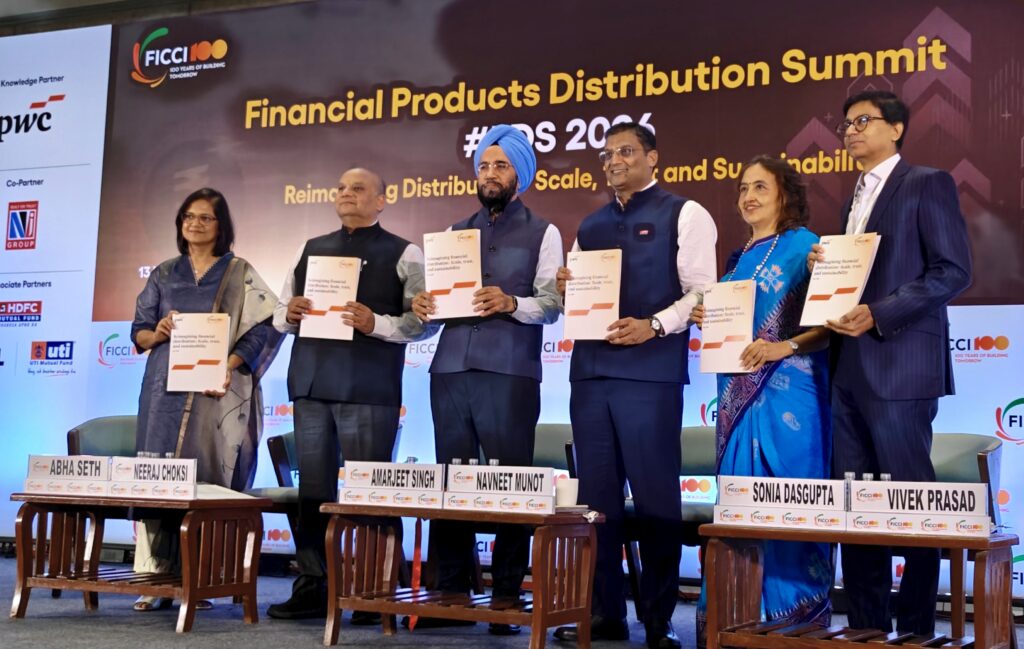
Reimagining Financial Distribution: Scale, Trust and Sustainability—jointly published by PwC and FICCI and released at the summit—outlines major milestones and structural changes:
Scale of Participation: India has achieved massive penetration with hundreds of millions of bank accounts and 225 million demat accounts.
SIP Momentum: Monthly Systematic Investment Plan (SIP) contributions have crossed ₹32,000 crore.
Beyond Tier-30 Growth: More than 50% of new SIP registrations now originate from beyond the top 30 (B-30) cities, showing deep regional expansion.
Shift in Role: Financial distribution has transitioned from a passive sales channel into the strategic “control layer” of the financial system, guiding investor behavior, governance, and long-term asset quality.
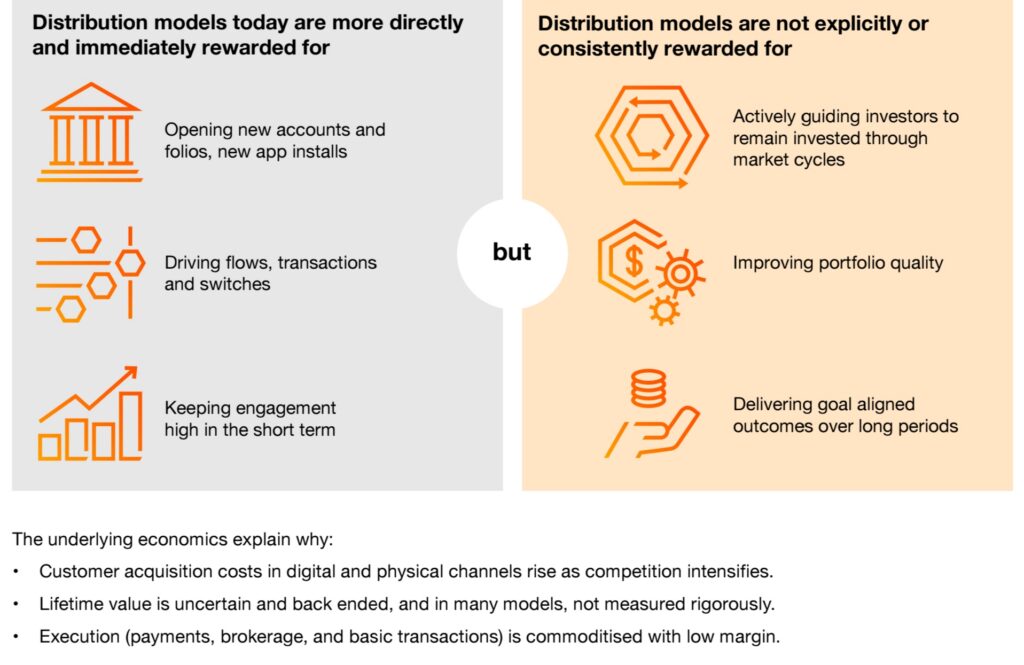
Critical focal points:
Delivering Investor Outcomes: Rethinking distribution models across multiple asset classes rather than focusing purely on volume.
Digital & Platform-Led Distribution: Balancing massive digital scale and automated access with accountability, transparency, and trust.
Cross-Cutting Enablers: Aligning incentives among regulators, technology platforms, and intermediaries to build a resilient long-term capital formation framework.
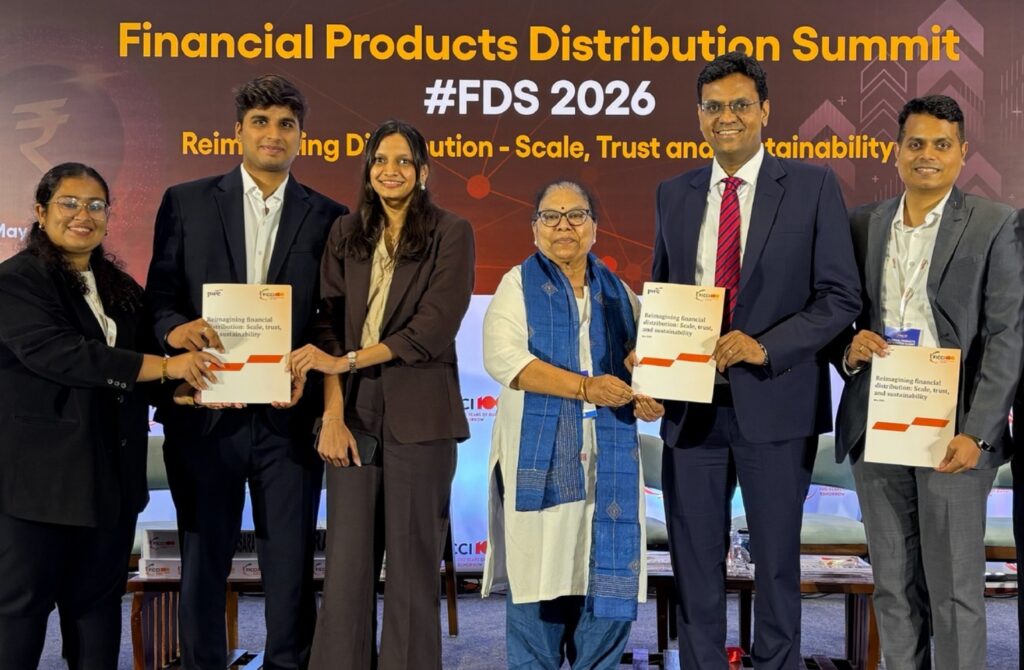
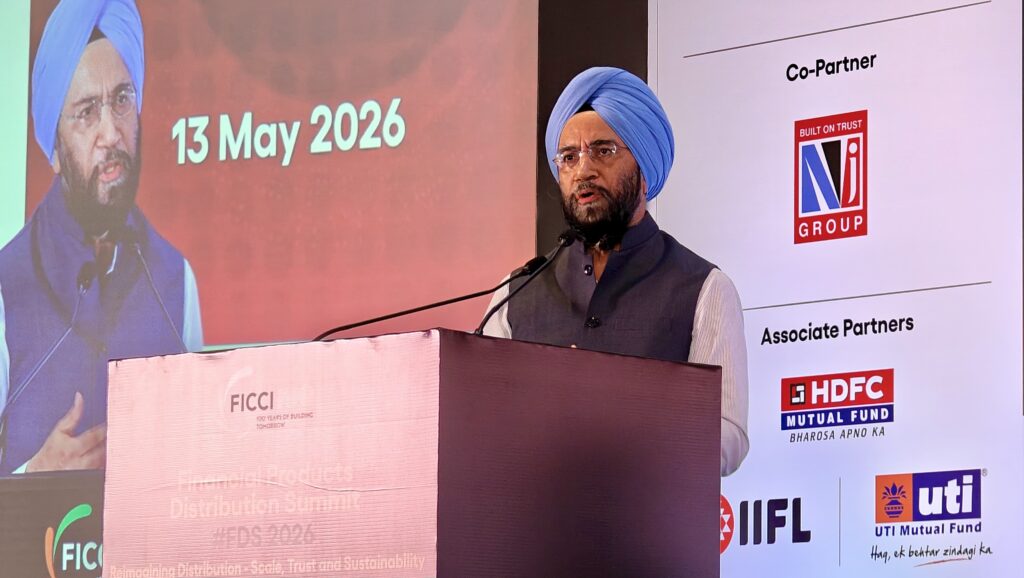
Mr. Amarjeet Singh Whole Time Member Securities and Exchange Board of India outlined key regulatory initiatives and structural priorities for expanding India’s capital markets.
Mr. Singh highlighted the monumental scale of India’s investment landscape, noting that collective assets across mutual funds, PMS, and AIFs reached ₹91 lakh crore by March 2026 with a decade-long CAGR of over 19%. He emphasized that true market success must look beyond raw Assets Under Management (AUM) to prioritize investor persistence, service quality, and robust grievance redressal. To deepen market penetration across diverse demographics, he highlighted key targeted regulatory frameworks, including Beyond-30 (B-30) location incentives, special incentives for onboarding women investors, and the rollout of the “Choti SIP” framework.
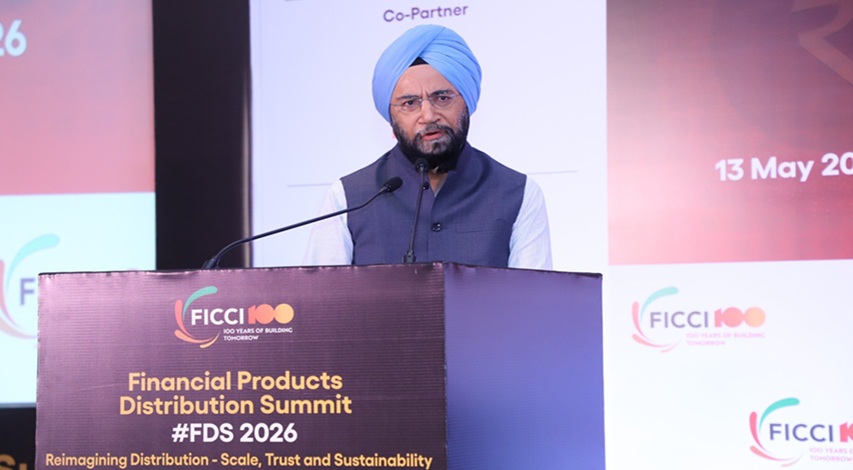
A major policy initiative detailed in his address is SEBI’s evaluation of a specialised distributor category for corporate bonds to simplify the KYC, documentation, and transaction processes for retail investors, bridging the gap between retail capital and debt markets. Singh also released a joint FICCI–PwC report titled Reimagining Financial Distribution: Scale, Trust and Sustainability, which underscored the democratization of Indian wealth. The report revealed that India has surpassed 225 million demat accounts, with monthly SIP contributions exceeding ₹32,000 crore—more than half of which are now originating from tier-2 cities and beyond.
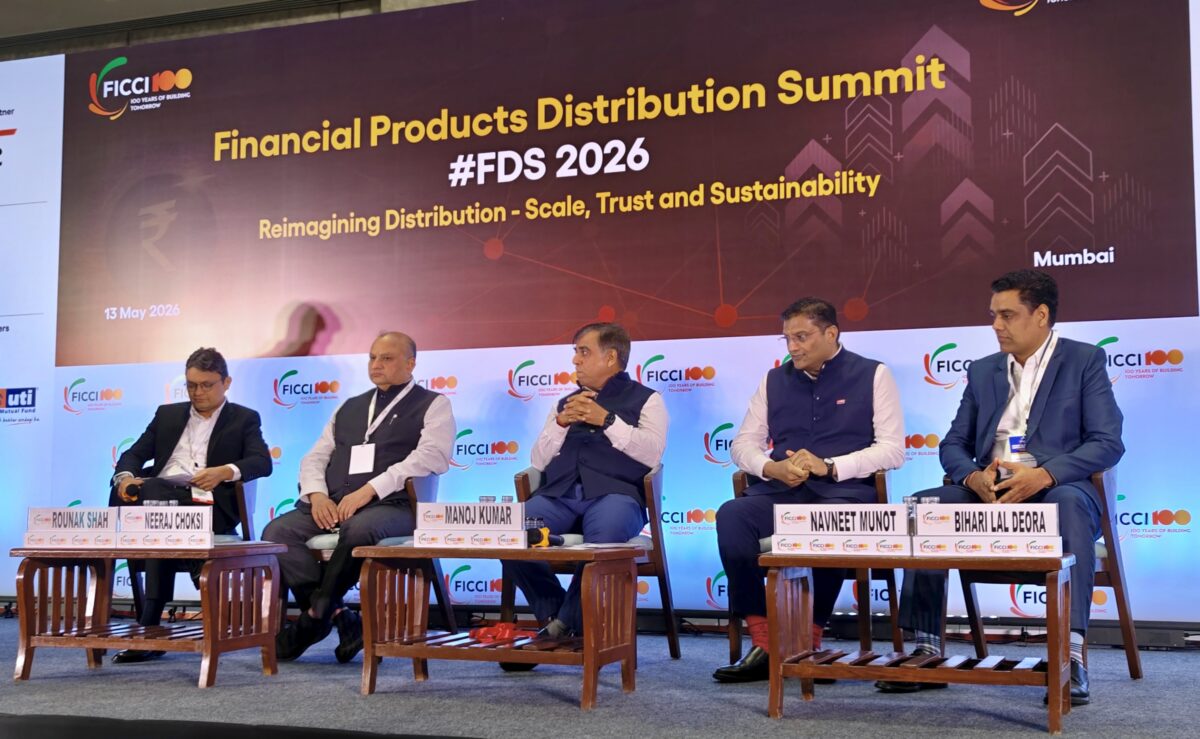
The distinguished panel at the FICCI Financial Products Distribution Summit 2026 brought together key leaders representing regulation, asset management, mass distribution, and specialized advisory platforms.Here is an elaboration on each speaker’s background, institutional role, and their core perspective from the session:
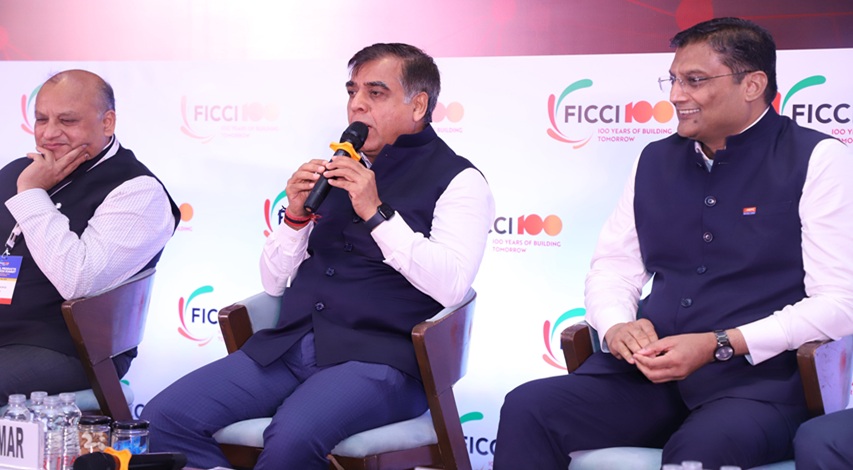
Mr. Manoj Kumar emphasized that as India’s retail investor base undergoes massive growth, the industry must shed complex jargon in favor of radical transparency and outcome-oriented accountability. He advocated for a shift toward “investor-first” models where fee structures directly mirror wealth creation rather than raw transactional volumes. He also highlighted the role of technology and strict regulatory guardrails in safely scaling up the retail market.
Mr. Navneet Munot highlighted that the industry’s next multi-trillion-dollar leg of growth relies on expanding financial inclusion responsibly. He focused on the evolution of systemic investment structures (like SIPs) from mere savings alternatives into vehicles for sustainable, inclusive wealth creation. He also stressed the importance of complete, non-misleading disclosures to build long-term trust.
Mr. Neeraj Choksi provided insights on how to transform transactional agents into disciplined, behavior-focused wealth guides. He emphasized that technology must be leveraged to simplify operations and onboarding for grass-roots partners, enabling them to survive on long-term trail models while serving the financial interests of smaller retail savers.
Mr. Biharilal Deora speaking from the advisory and fiduciary standpoint, he focused heavily on structural accountability. He pushed for lowering the barriers to entry for structured products—such as bringing mutual-fund-like digital ease to PMS and AIF onboarding. He argued that tightening compliance while democratizing access to complex assets is vital to preventing retail mis-selling.
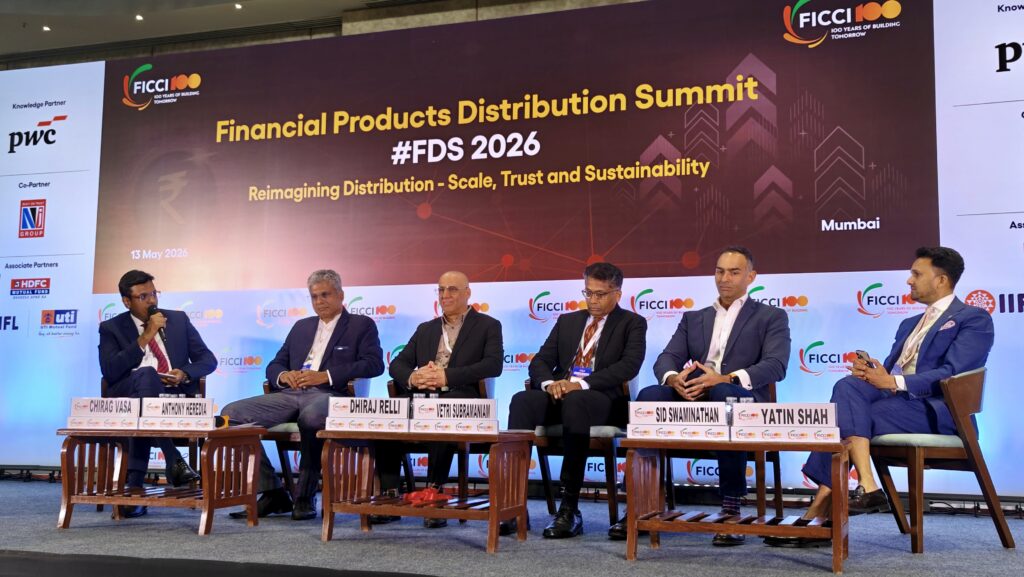
The CEOs panel titled “Delivering Investor Outcomes: Rethinking Distribution Across Asset Classes” focused heavily on a collective shift from participation-driven growth to outcome-oriented investing and responsible wealth creation.
The main viewpoints and contributions of each speaker on the panel are detailed below:
Mr Dhiraj Relli (MD & CEO, HDFC Securities)
Goal-Based Frameworks: Emphasised the transition from a product-selling approach to a comprehensive, goal-based planning model.
Investor Persistence: Highlighted that the primary duty of modern distribution networks should be helping clients maintain long-term discipline over market cycles.
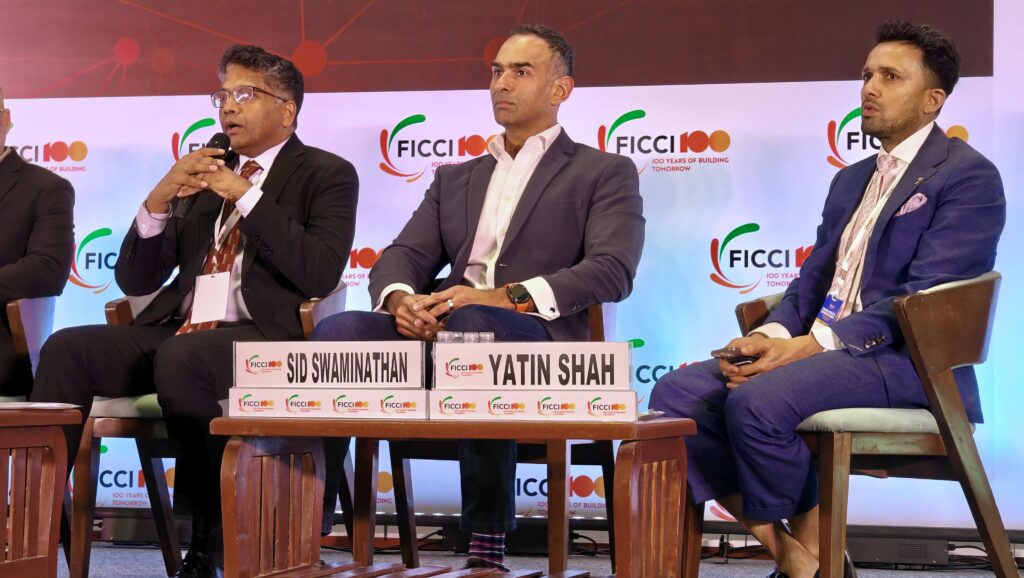
Mr Sid Swaminathan (MD & CEO, Jio BlackRock Asset Management Company)
Democratising Wealth Creation: Addressed how technology and scaled platforms can lower entry barriers, shifting the focus from simple financial market access to deep financial outcome inclusion.
Outcome Inclusion: Noted that while India has successfully scaled foundational access, the industry must now build robust frameworks ensuring everyday investors truly benefit from market gains.
Mr Anthony Heredia (MD & CEO, Mahindra Manulife Mutual Fund)
- Active Behavioral Activation: Highlighted the structural gap between investor acquisition (onboarding) and ongoing investor activation/nurturing.
- Aligned Incentives: Argued for distribution models that incentivize the long-term longevity and persistence of a portfolio rather than just rewarding initial transaction volumes.
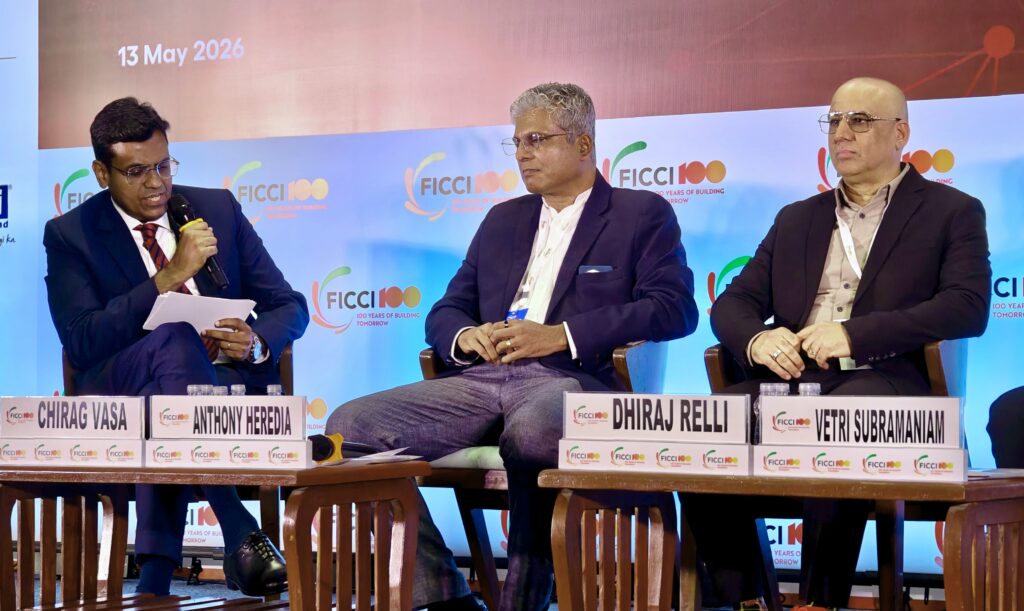
Mr Vetri Subramaniam (MD & CEO, UTI Mutual Fund)
Behavioral Finance Integration: Focused heavily on the psychological layer of investing, pointing out that managing investor behaviour during periods of volatility is more critical than product design.
Accountability in Advice: Advocated for absolute clarity in advice-led engagements, warning that decentralized responsibility at the critical “moment of decision” leaves the investor vulnerable.
Mr Yatin Shah (CEO, 360 ONE Wealth)
Transparent & Advice-Led Engagement: Representing the wealth management segment, he stressed that trust and sustainable wealth creation are built exclusively on transparent advisory relationships.
Beyond Asset Allocation: Pushed for high governance standards and holistic client solutions that treat asset distribution as an interactive partnership rather than an isolated sale.